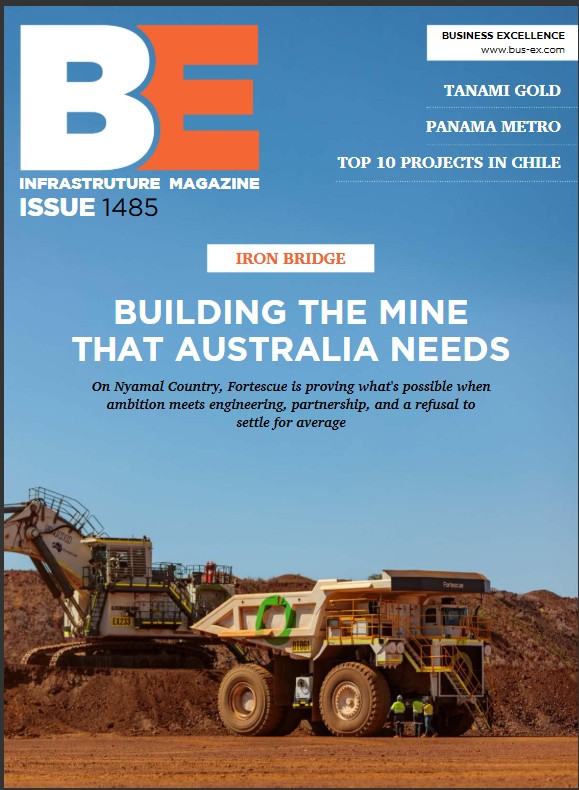


How Newmont’s Tanami mine is writing Australia’s next great underground story
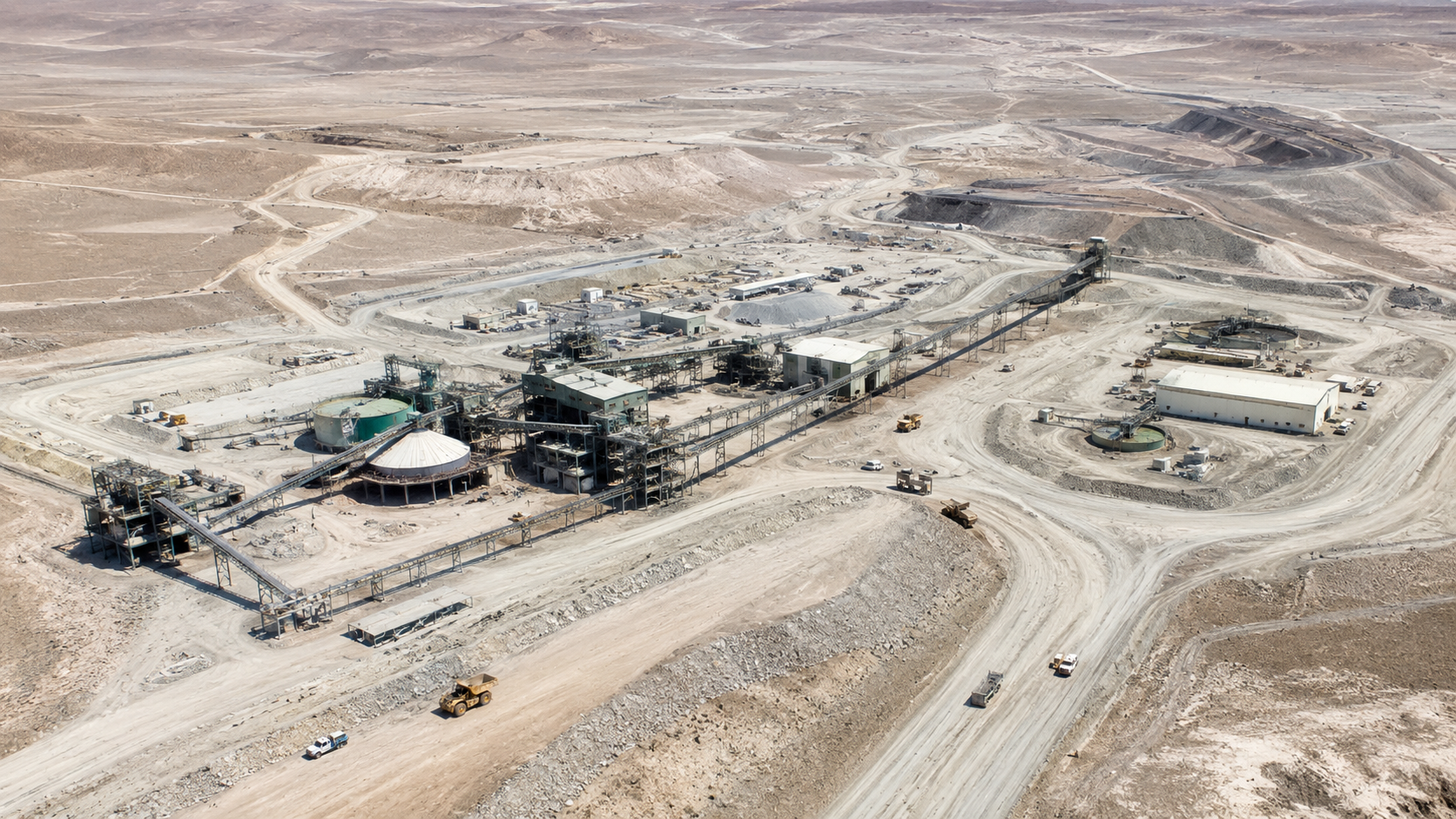
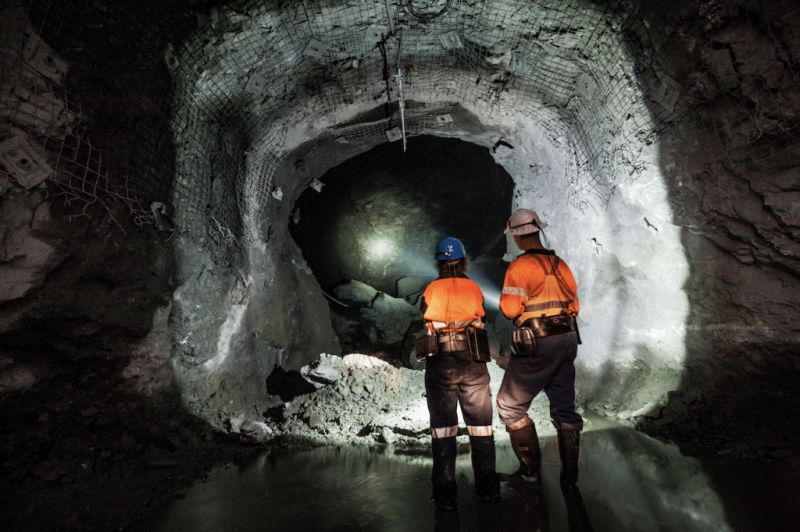
If you take the long road north-west from Alice Springs, the land stretches out into heat mirage and red-gold dust. The highway gives way to corrugations and silence, and then—after hours—the desert reveals a city that isn’t on any tourist map. Towers and conveyors puncture the sky; a headframe throws a geometric shadow in the late light. Beneath it all, 1.6 kilometres down, a deep underground world hums.
This is Tanami. Not a camp, not a project, but a place. It has its own rhythm: buses at dawn from Twin Hills Village, radios crackling through the afternoon, the steady thrum of the mill through the night. On the surface, it is remote. Below, it is precise.
“Tanami fits our Tier 1 strategy because we have a mine life that extends for decades,” says Justin De Meillon, General Manager of Newmont Tanami. “And once the expansion projects are completed, we’ll produce at a rate of over half a million ounces per year.” He doesn’t say it as a slogan; he says it the way people here talk—plainly, with the certainty that comes from doing the hard parts over and over.
From The Granites to the modern mine
Long before there were headframes, there were prospectors. The Granites district has seen a century of hopeful picks, but the modern story began in the 1980s with a mill at The Granites and, later, the discovery of the high-grade Callie orebody—an underground anchor that would make the desert relevant to global gold. Newmont’s acquisition cemented the direction: decline access, disciplined underground methods, a processing plant that treated reliability as a virtue.
Years later, the mine’s language evolved. Callie made room for Orion—the dominant producer today—flanked by Federation and Liberator like the tines of a trident. The veins are many and often narrow, but together they add up to something powerful: consistent, high-grade tonnes at depth. Tanami became a quiet statement of what Australia does well: patient engineering, steady production, and an appetite for hard ground.
A shaft that changes the conversation
Stand at the base of Tanami’s new headframe and you feel both the scale and the intent. The Tanami Expansion 2 (TE2) project isn’t just another capital line; it changes how the mine breathes. A 1.46-kilometre vertical production shaft—destined to be Australia’s deepest—replaces long, hot decline hauls with fast, efficient skip hoisting. What used to be a three-hour truck cycle becomes a couple of minutes on a hoist designed to move 3.8 million tonnes a year.
“The aim is simple,” says Grant Brinkmann, Area Manager for Shaft and Surface Construction. “Increase production and lower costs.” He points to the 90-plus-metre headframe. “When complete, TE2 will be the deepest production shaft of any mine in Australia—and this headframe is one of the highest structures in the Territory.” There’s pride in that, but also relief: the ventilation will work better; the heat load eases; the bottlenecks unclench.
Underground, the expansion adds a mechanised crushing system so ore meets the skip as crushed rock, ready to fly. On the surface, the mill—already a 24-hour instrument—is tuned to catch the new cadence without missing a beat.
The craft of precision at depth
There is a romance to the desert; there is none in aligning a six-metre winder drum to millimetric tolerances a mile below. That’s craft. RUC Cementation—part of Murray & Roberts—has carried the shaft sinking, lining and equipping through the desert’s moods: heat, dust, sudden storms. Above, Yenem Engineering and GR Engineering Services worked the geometry of steel and concrete so the headframe mirrors the winder’s needs, not the other way around. PHE Group threaded cables, panels and sensors through a logic that will seem simple only when it is finished. Redpath Mining brought the discipline at the shaft bottom—the place where the theory meets the cage. And Australian Winch & Haulage did the quiet lifting, the controlled pulls, the brake and drum installations that make commissioning feel inevitable.
The hoist itself carries the two signatures that matter: ABB’s 6-metre Koepe friction winder for ore and a personnel winder that moves crews with ease, both tied into SIL-rated controls and the kind of automation you don’t notice until it saves a day. Regenerative braking. Battery-backed stability. Remote diagnostics that predict, not react.
“Every component weighs tonnes, and our tolerances are measured in millimetres,” a project engineer says, running a finger along a drawing. “You don’t get second chances at this depth.”
The art of keeping an underground alive
People who haven’t been underground think the challenge is rock. People who have know the challenge is air. At Tanami’s depths, the rock carries its own heat; the air must compete. So, in parallel with shaft steel and hoist motors, the mine has built a ventilation and cooling system with serious muscle—big primary fans, dozens of clever secondaries and chillers that make the difference between “possible” and “safe.” The shaft won’t just move ore; it will help the mine breathe better.
Above, another system watches the whole orchestra. Minestar—a fleet and operations platform—has trimmed the radio traffic and grown the visibility. “We have far more visibility underground now,” says Rochelle Patamore, who helped implement it. “We can see where equipment is, predict arrival times, and deal with delays before they ripple. It lets the control room think about improvement, not just input.”
What a supply chain looks like when it’s working
Lists don’t do justice to what’s been built here, but the names matter. RUC Cementation at the shaft; ABB for hoists and controls; Valmec for early utilities; NRW/Golding on civils and foundations; GRES and Yenem for structural design and erection; PHE for E&I integration; Redpath for bottoming and test hoists; thyssenkrupp for the underground gyratory crusher; Australian Winch & Haulage for mechanical handling; and dozens more local specialists who rarely make the press but do the day-on-day.
The desert doesn’t forgive poor coordination. Newmont’s team has leaned on packages that make sense, ICN Gateway pathways that open doors to local firms, and a commissioning schedule that treats risk like an engineering problem, not an inevitability. The result is less a “project” than a network of teams doing what they do best, in sequence, with respect for the whole.
A mine of people
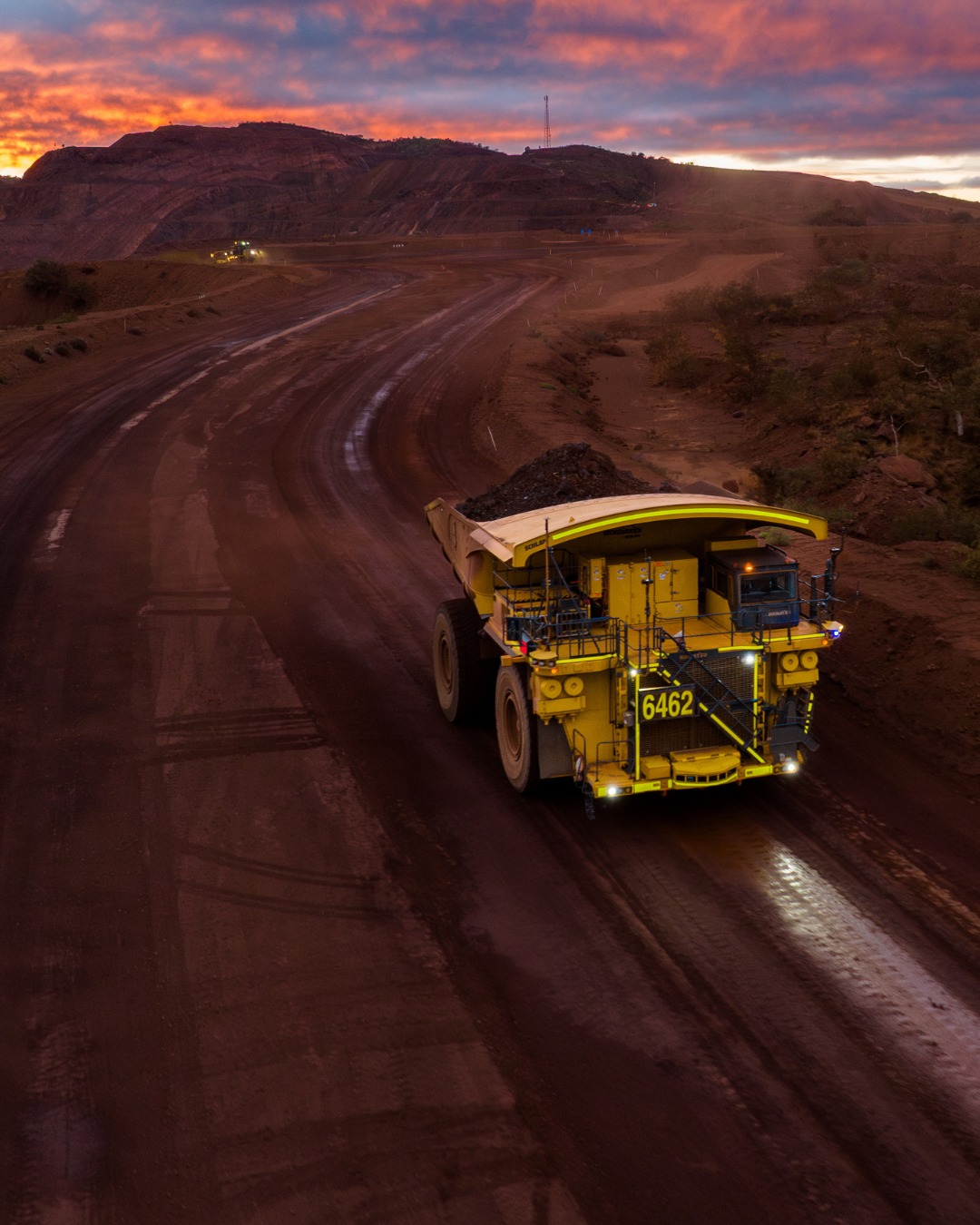
It’s easy to tell this as a machine story. It isn’t. At 4:45 a.m., the first buses pull away from Twin Hills. Suzanne Burke—once a real estate agent, now an underground haulage supervisor—does the safety brief the same way every day: calm, direct, specific. “You work hard down here,” she says later, “but when you go home, you switch off. That balance keeps you sane.” She loves the mentoring: turning truckies into trainers, watching careers climb out of the decline.
For the Warlpiri communities of Yuendumu and Lajamanu, “mine” often meant “elsewhere.” Not here. The Yapa Crew—Newmont’s on-the-job training pathway—has drawn people from the nearest communities into proper roles: machines, environmental work, trades. Mia Leklatna speaks for many. “It’s pretty good,” she says, smiling. “I feel like I’m making them proud. My brothers and sisters look up to me now.” There are statistics—more Indigenous employment every year, more local procurement—but it’s the faces that stick.
A desert code for ESG
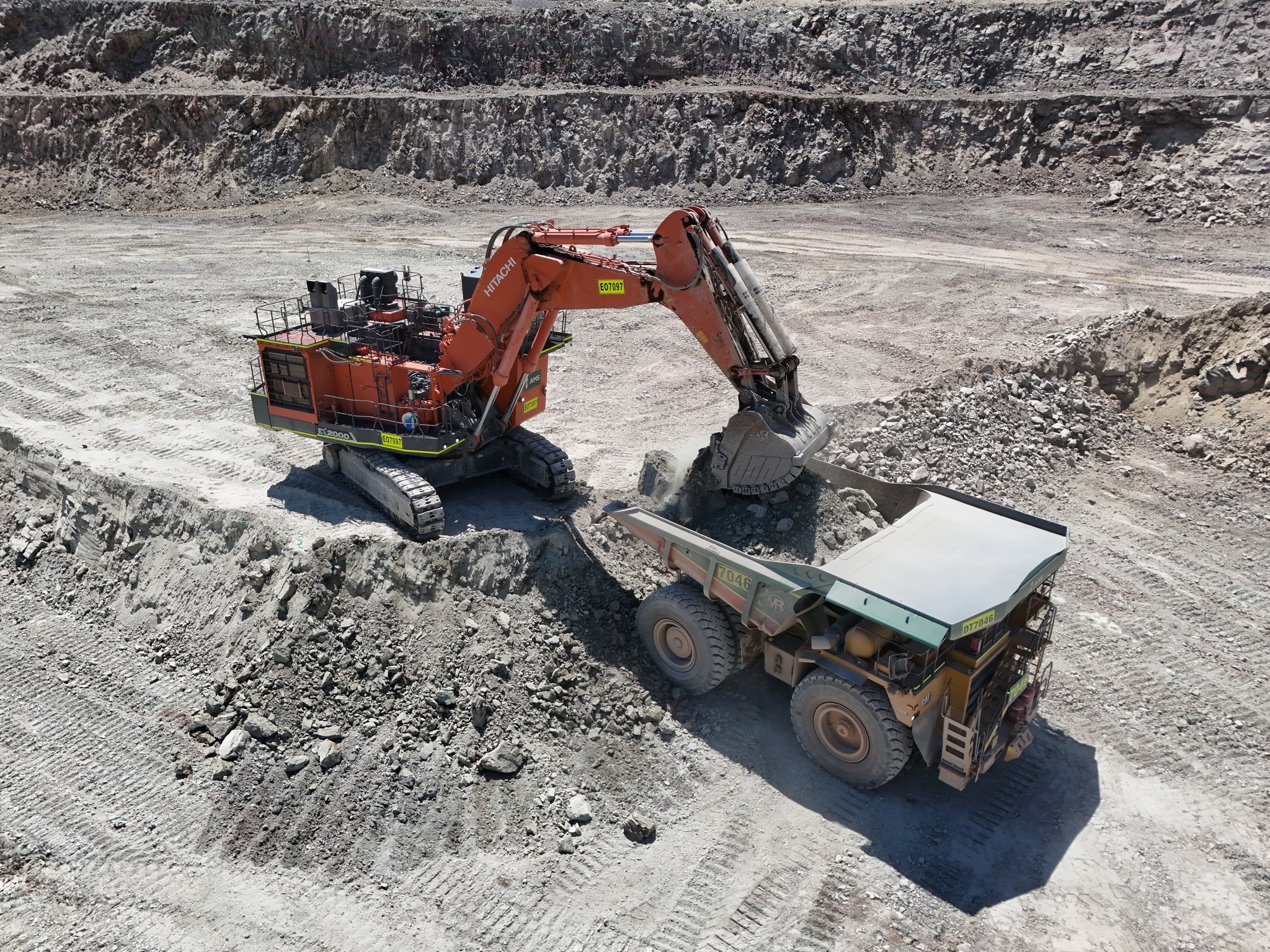
The letters have become shorthand—ESG—but in a place like this they read as common sense. Paste backfill returns much of the mill’s leftovers to the stopes, cutting the surface footprint. Water is managed like the precious desert resource it is. The Tanami Gas Pipeline replaced long diesel trains with cleaner, steadier power and an emissions profile that moves the needle in the right direction. The shaft and hoists will reduce underground diesel haulage further; you can hear the ventilation engineers quietly cheering.
Community isn’t a side programme. The mine sits on Aboriginal freehold land, and the relationship with the Central Desert Aboriginal Lands Trust is baked into every planning conversation. Jobs, business opportunities, sealed roads, the small things and the big ones—this is the long work of making sure the mine’s success shows up in people’s lives beyond the front gate.
“The project will improve ore transportation, increase processing capacity, lower our carbon output, and extend the mine’s life beyond 2040,” says Justin De Meillon. It sounds like a performance plan; it is also a promise that the mine intends to be a good neighbour for a long time.
Why Tanami matters to Newmont—and to the market
There’s a practical answer: the mine is core to Newmont’s Australian portfolio and a material contributor to global production. There’s a strategic one: in a world where gold remains an anchor for uncertain times, reliable ounces from good jurisdictions are worth more than their weight. Tanami is both—reliable and right-sited.
“The approval of our second expansion project at Tanami will further improve costs and extend the life of this world-class mine in a core Newmont jurisdiction,” says Tom Palmer, Newmont’s President and CEO. It isn’t just corporate positioning—post-expansion, Tanami joins that short global list of underground operations capable of more than half a million ounces a year from a single system, and it does it with the kind of cost base you earn, not inherit.
The last miles to commissioning
Nobody here underestimates the distance between “almost” and “done.” There are still alignments to check, systems to prove, the long ladder of commissioning steps to climb. The plan is disciplined: mechanical completion of the hoist systems, staged commissioning that treats the shaft like the critical path it is, then a ramp-up that lets the plant and pit talk to each other without shouting.
“TE2 secures Tanami’s future as a long-life, low-cost producer,” says Tom Palmer, “and provides a platform for future exploration and growth.” Below the current levels, the geologists are already chasing the next pages of Orion and its neighbours. There’s confidence underground: the ore doesn’t read press releases, but it does respond to patient drilling.
The multiplier in a far place
You can see the mine’s economy in the obvious ways—jobs, flights, fuel, food contracts. But the real multiplier is subtler: the welders who become supervisors, the trainers who go home with stories their kids can believe, the local businesses that move from one-off contracts to standing orders. Each on-site role creates others—aviation, logistics, maintenance, hospitality—across a region that has learned to make a living at the far end of the map.
And then there are the legacies that don’t fit on a balance sheet. Sealed roads that outlast mine schedules. A headframe that becomes a landmark. Skills people take to the next job, or bring back to the community. In a country that mines well, Tanami is a case study in how to do it with respect for land and people—and with ambition that doesn’t shout.
What success will look like
When the first ore rises on the new hoist, success won’t sound like trumpets. It will sound like a winder humming at speed and a control room that’s quiet because the systems work. It will look like a production graph that climbs and a cost line that bends. It will be a supervisor’s calm voice in a prestart, a Yapa Crew graduate swapping a trainee badge for a permanent one, a contractor winning a second package because the first was done right.
“Deepest production shaft in Australia,” Brinkmann says, almost to himself. Then, with the same understatement that runs through the place: “Built to last.”
In the meantime, the desert waits and the mine moves to its own metronome. Buses at dawn. Radios all afternoon. Mill at night. The kind of rhythm that builds a future one precise step at a time.
Partners in the making
While Business Excellence is not a directory, it is fair to acknowledge the breadth of craft behind TE2: RUC Cementation (shaft sinking, lining and equipping), ABB (mine-hoist systems and controls), Valmec (early utilities and mechanical works), NRW/Golding (civils and foundations), Elphinstone, a long term partner supplying specialised underground support vehicles, GR Engineering Services and Yenem Engineering (structural and headframe engineering), PHE Group (electrical and instrumentation integration), Redpath Mining (shaft bottoming and test hoisting), thyssenkrupp Industrial Solutions (primary underground crusher), and Australian Winch & Haulage Co (auxiliary winches and mechanical handling). Each did their part so that the whole could sing
And there are many more—across every discipline that keeps a deep mine alive in the desert: underground development and ground support; drilling and blasting; ventilation and refrigeration; materials handling and conveyors; power generation and high-voltage reticulation; process control, comms, and IT; water, dewatering, and tailings/paste-fill; geotech, survey, and QA; fabrication and machining; explosives and consumables; roadworks and freight logistics; aviation and bus operations; fuel and lubricants; waste and recycling; emergency response and medical; camp operations (catering, housekeeping, laundry); PPE and industrial supply; heritage, environmental, and rehabilitation services; training, apprenticeships, and RTO partners; security; and a meaningful cadre of Indigenous-owned enterprises delivering earthworks, services, and cultural advisory.
Much of this ecosystem has been engaged through structured work packages and local procurement pathways (including ICN), giving regional SMEs and Indigenous businesses a durable stake in TE2’s success—proof that a project of this scale is never just steel and schedules, but a community of specialists moving in time.
.
The Last Word
What happens next at Tanami is not a question of whether the gold is there — it is — but how far Newmont and its partners can stretch the boundary of possibility. The Tanami Expansion 2 (TE2) project is already redefining what remote mining looks like, not only in engineering but in mindset.
Once the new shaft is commissioned, Tanami will step into a rare global league: underground mines capable of producing over half a million ounces a year at grades that still make geologists raise an eyebrow. Yet, for Newmont, TE2 is as much about longevity as tonnage — about ensuring the mine remains a living, breathing asset long after today’s teams have moved on.
The project opens the door to new orebodies at depth — Orion’s deeper limbs, Federation’s extensions, Liberator’s lateral reach — each promising a new chapter in the desert’s geology. Exploration continues quietly below the known levels, guided by smarter data and sharper modelling, while above ground, Tanami is becoming a template for next-generation remote mining operations: automation layered with human skill, technology tempered by local wisdom.
There’s a sense among the leadership team that Tanami is evolving from mine to model — a benchmark in what sustainable underground operations can be. The energy efficiency measures, the Indigenous training pathways, the digital hoisting systems and predictive maintenance — these are not footnotes but signals of an industry learning to think in decades, not quarters.
Executives across the mining world will be watching how Newmont integrates these layers: how a $2.3 billion investment turns into a multi-decade advantage; how collaboration among global OEMs and local contractors reshapes performance; and how the mine’s success filters through to regional development, education, and infrastructure across the Northern Territory.
What began as a bold logistical challenge — “Can you mine this deep, this far from anywhere?” — is quietly becoming one of Australia’s great industrial case studies in resilience, precision, and respect for place. Tanami is proof that even in the most extreme settings, engineering excellence and human intent can coexist beautifully.
“Since acquiring Tanami in 2002, it has become central to our long-term strategy,” says Justin De Meillon, General Manager.
That’s the measured voice of a manager. But the desert version is simpler: keep your promises; do the next thing right; let the work speak.
And out here — in the red heart of Australia, where the horizon is a straight line and the light never lies — it does.
DOWNLOAD
 BE Mining - Tanami Mine - 2025 .pdf